Zeeshan Mir Baz has collected the information from this website:https://www.independent.co.uk/extras/indybest/gadgets-tech/computer-accessories/best-computer-monitors-for-mac-gaming-photography-work-designers-video-editing-4k-curved-10388665.html in this article
said that:
Buying the right monitor for your PC is crucial, especially if you spend many hours in front of it either because you work from home or you’re an avid gamer. It’s not as simple as just spending more to get more, though. Different monitors are better suited to different tasks so knowing which one is right for you is just as important.
There are four main considerations: size, panel type, refresh rate and resolution.
Size is self-explanatory. If you only use your PC occasionally then you can get away with a modestly sized screen: say, 20-24in. If your PC is your multimedia hub, though, then bigger is better – the latest 34in, super-wide and curved monitors are quite something to behold.
Panel type refers to the different types of LCD technology that are used to make the display. The two main ones are IPS and TN. TN panels are the most basic type and they suffer from poor viewing angles and colour accuracy. However, they’re cheaper and have one big advantage: a short response time. This allows them to refresh really fast, in turn making them great for high-speed gaming. IPS fixes the viewing angle issues of TN and offers better colour accuracy but they have a slower response time so aren’t quite as good for gaming.
Next up is refresh rate. For anything but gaming you don’t need more than 60Hz, but those that play fast-paced games such as first-person shooters will value the more rapid response of 144Hz or higher gaming displays.
As for resolution, your typical 20-27in monitor will have a resolution of 1920 x 1080 pixels, which is also called 1080p or full HD. This is enough for more casual, occasional use but for those that work at their PCs, a few extra pixels can come in handy. A good sweet spot is a 27in screen with a resolution of 2560 x 1440 (1440p) pixels. That’s enough to fit two full-size A4 Word documents side-by-side.
If you’re more into working with pictures and video then you may want to take the step up to a 4K screen, which is 3840 x 2160 pixels.
Also look out for extra features like speakers, USB hubs and adjustable stands that offer height, rotation, pivot and tilt adjustment – cheap monitors tend to only offer tilt.
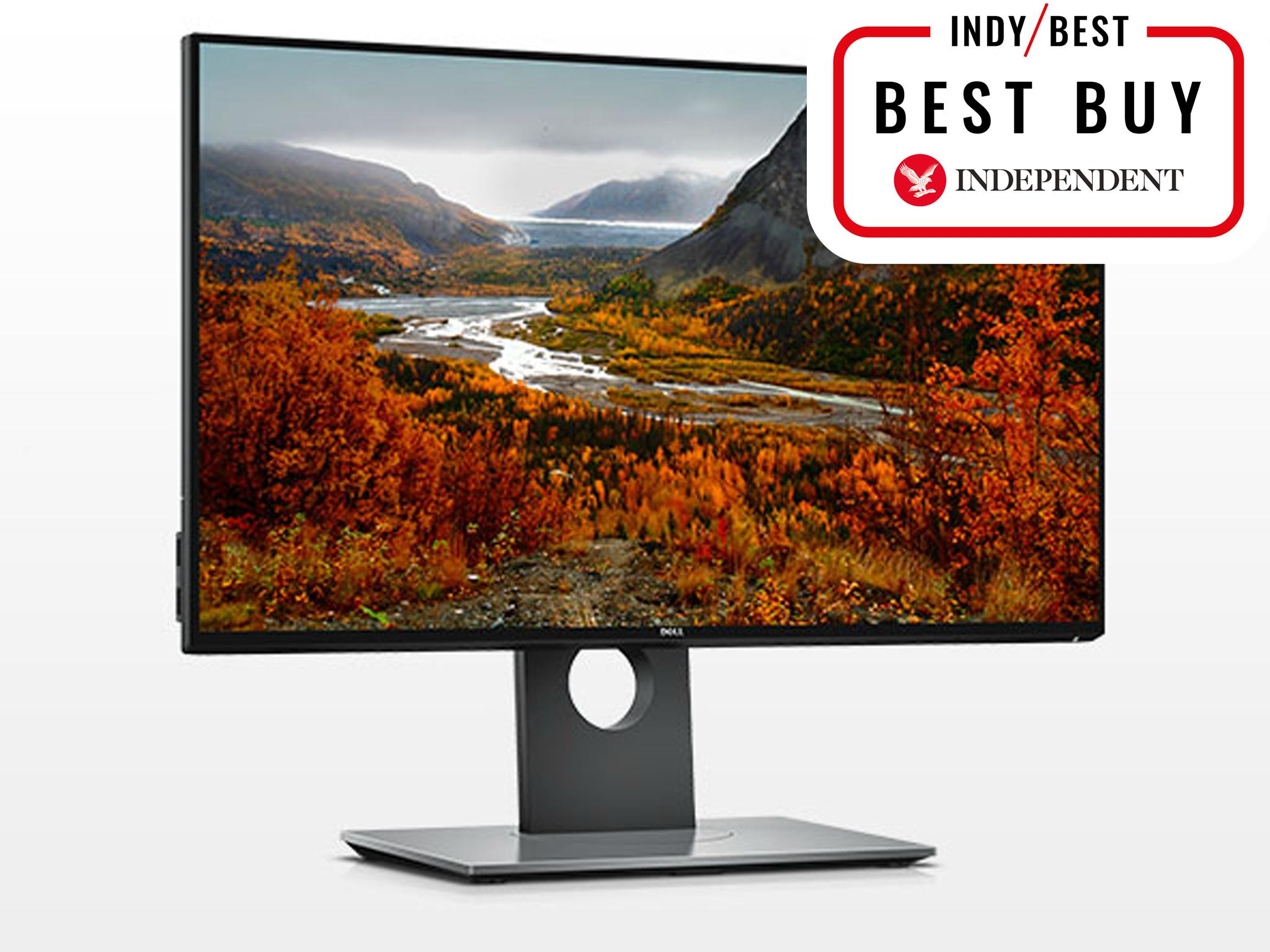
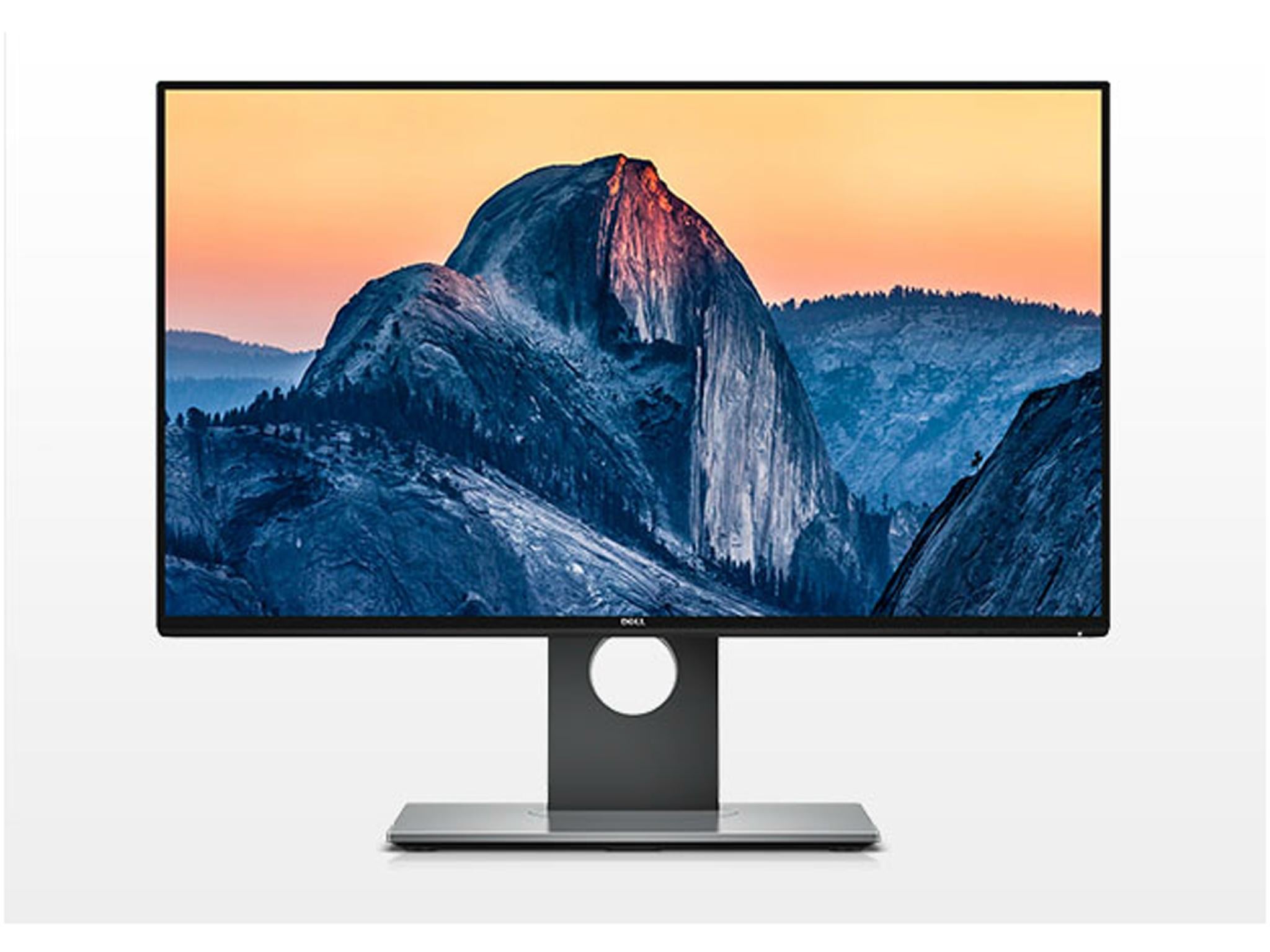
1. Dell UltraSharp U2717D: £550.54, Ebuyer
Just as the Dell U2417H (see below) is the ideal high-end 24in monitor, so the U2717D is the ideal high-end 27in monitor. Dell is a dab hand at making quality displays that have all the essentials but none of the frills. The U2717D boasts a 1440p resolution, excellent overall image quality and a fantastic business-like but not staid stand design. It also offers height adjustment, a USB 3.0 hub and loads of connectivity options. Also look out for good deals on its predecessor, the U2715H. It’s mostly identical and can be had for under £400.
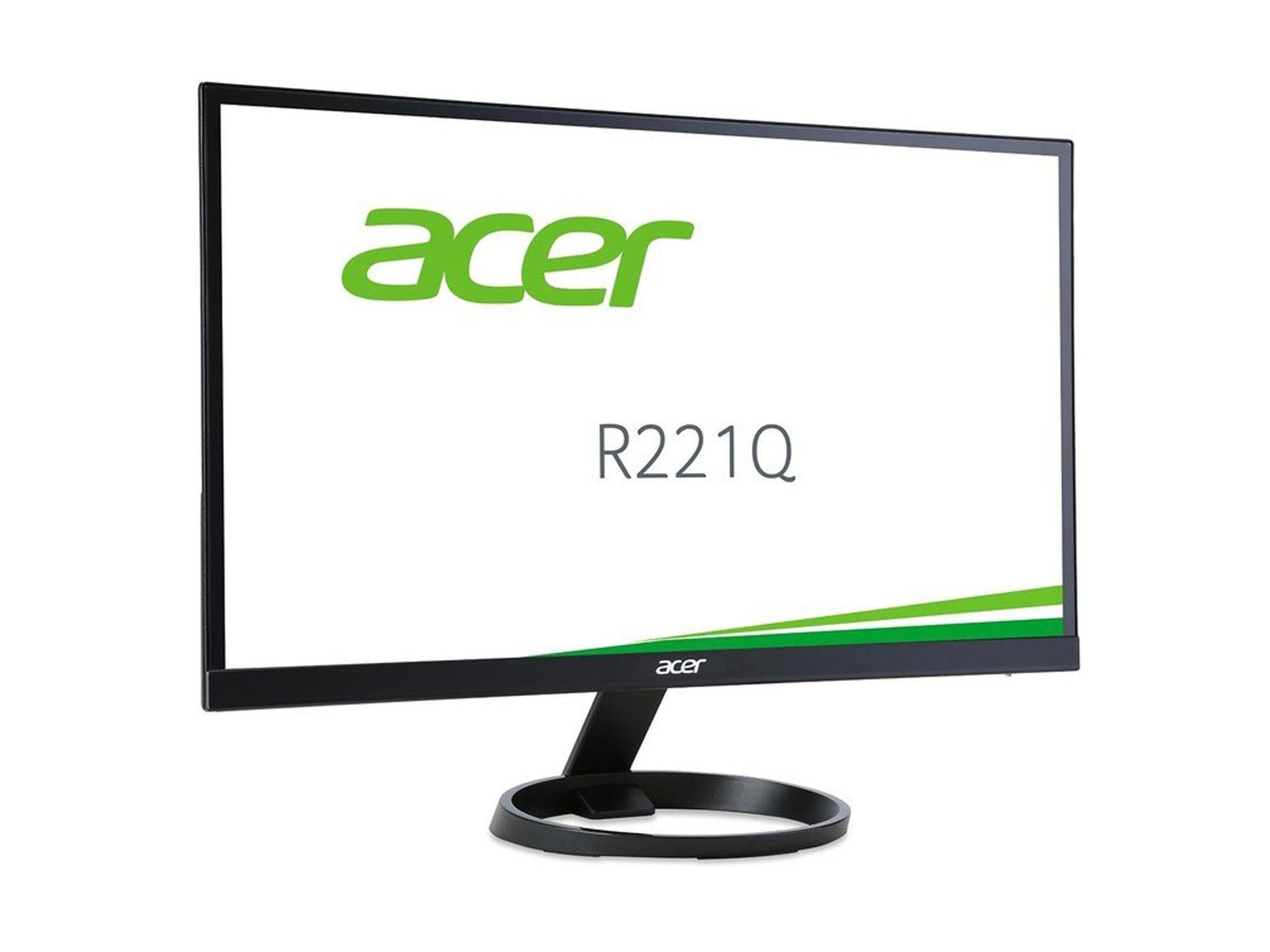
There are cheaper monitors than the Acer R221HQBMID, but not by much. By spending the extra £25 or so over the cheapest alternatives you get an IPS panel that will produce better-looking colours and have better viewing angles than cheap TN ones. It’s also an impressively slim and surprisingly stylish monitor, with a useful 1080p resolution that’s an ideal match for its 22in size. You get nothing more than the basics – not even speakers – but it’s a good entry-level monitor for getting the basics done.
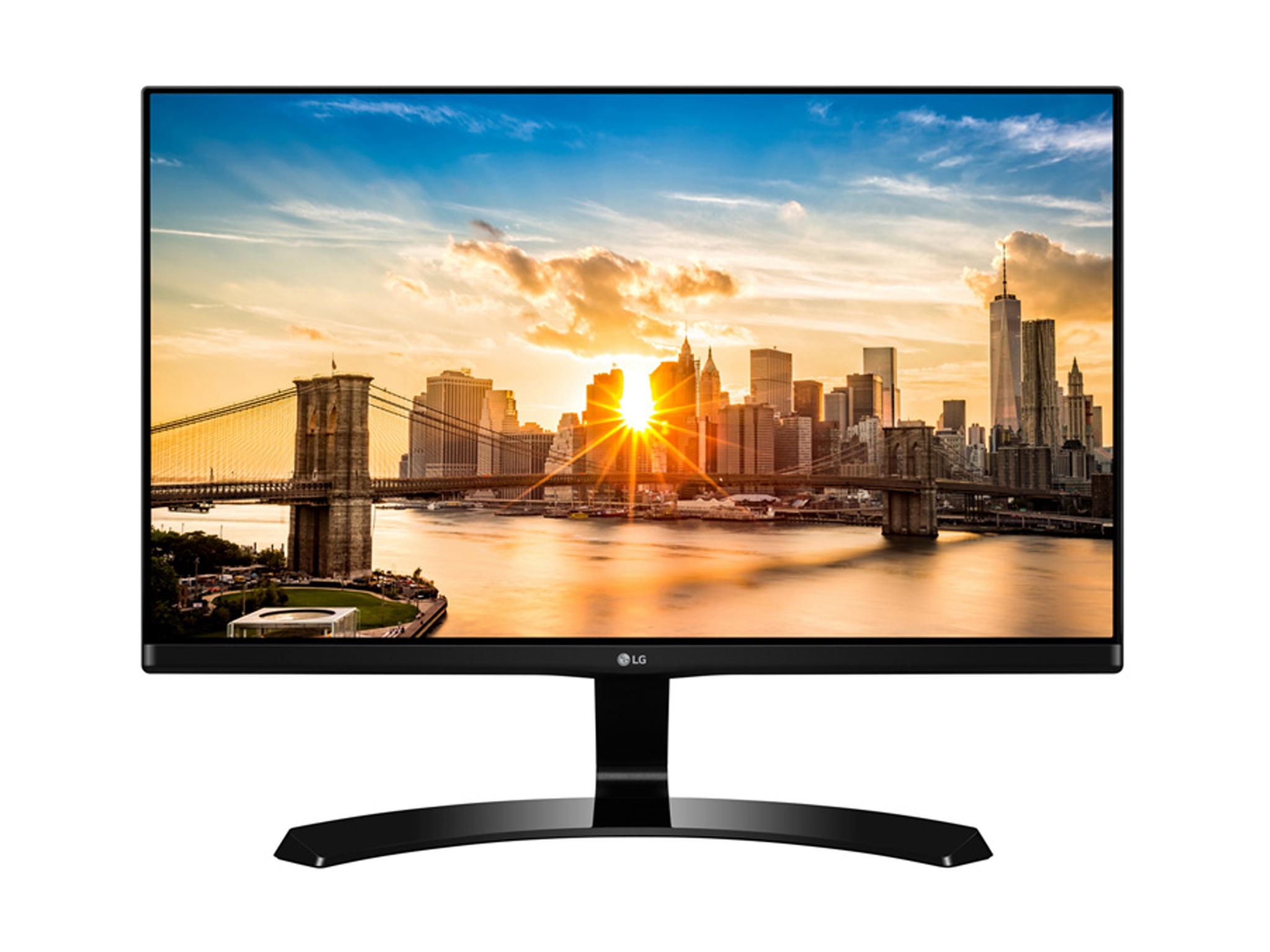
For around £150 you can’t do better than this 23in display from LG. It combines a decent quality IPS panel with a 1080p resolution and fetching overall design, and then adds several extras that set it above the most entry level alternatives. The first is a 75Hz refresh rate. This is a modest boost over the 60Hz of most non-gaming monitors, but it makes this display just a little more responsive. The second is the presence of FreeSync, a gaming technology that makes for smoother-looking, tear-free games.
If you’re looking for a top-quality monitor but can’t stretch to a larger display, the Dell U2417H is ideal. This 24in display still only has a 1080p resolution but it has fantastic image quality. What’s more the incredibly slim bezel round the edge of the screen and the simple-stand design make for a premium-looking device, even when it’s not in use. The stand also offers height, pivot and rotation adjustment, which you don’t get with cheaper displays, and it has a USB 3.0 hub so you can connect other devices to it.
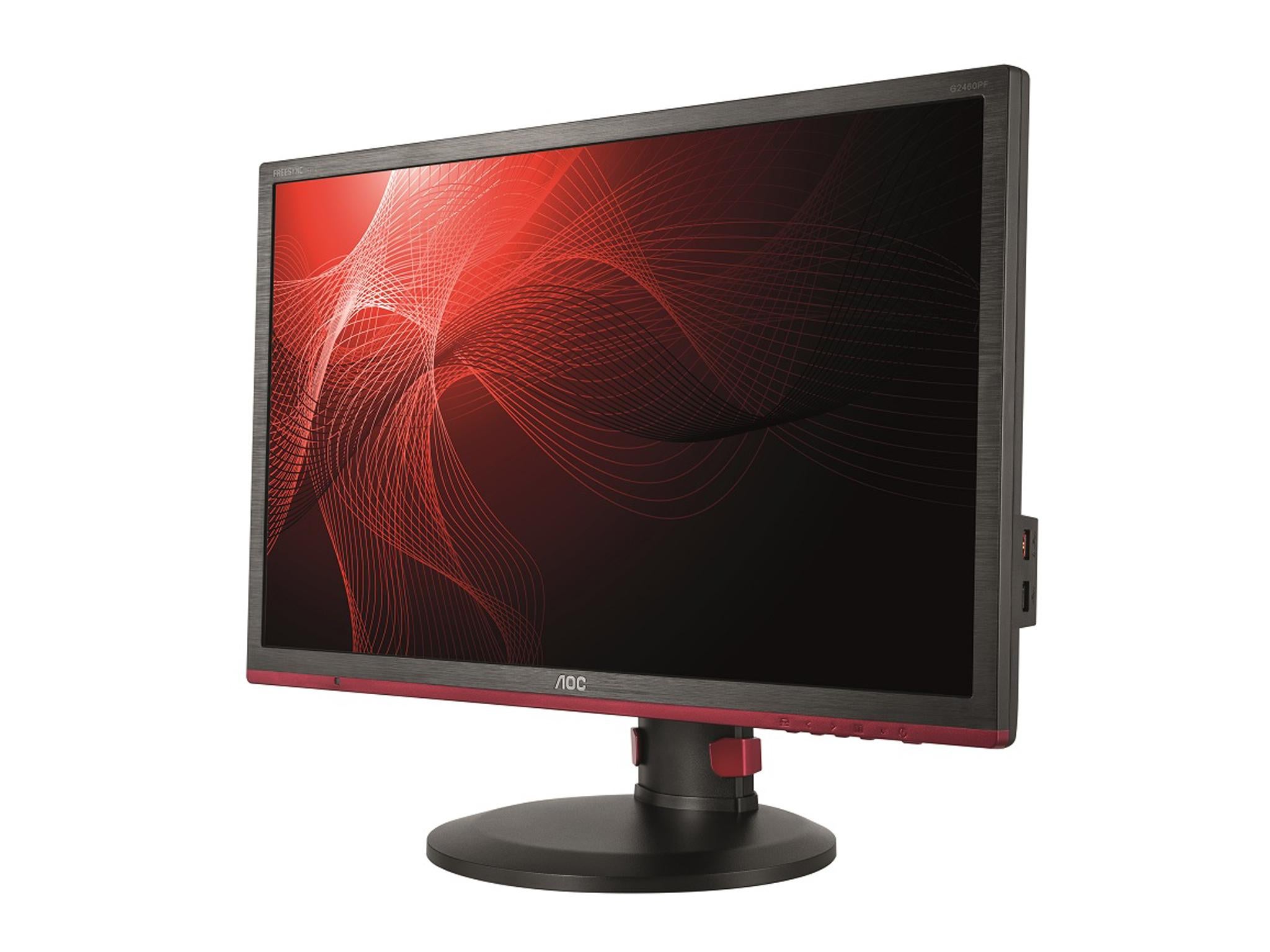
The AOC G2460PF is one of the cheapest 144Hz gaming monitors you can buy, and that’s simply all that matters. You can pay up to £150 more for the same 24inch, 1080p, 144Hz configuration but it’s just not worth it. This isn’t a barebones display, either. The stand offers height adjustment, it includes FreeSync and there’s a USB 3.0 hub too. A great option for a dedicated gamer on a budget. You do suffer the lower image quality and poor viewing angles of a TN panel but that’s the nature of such gaming displays.
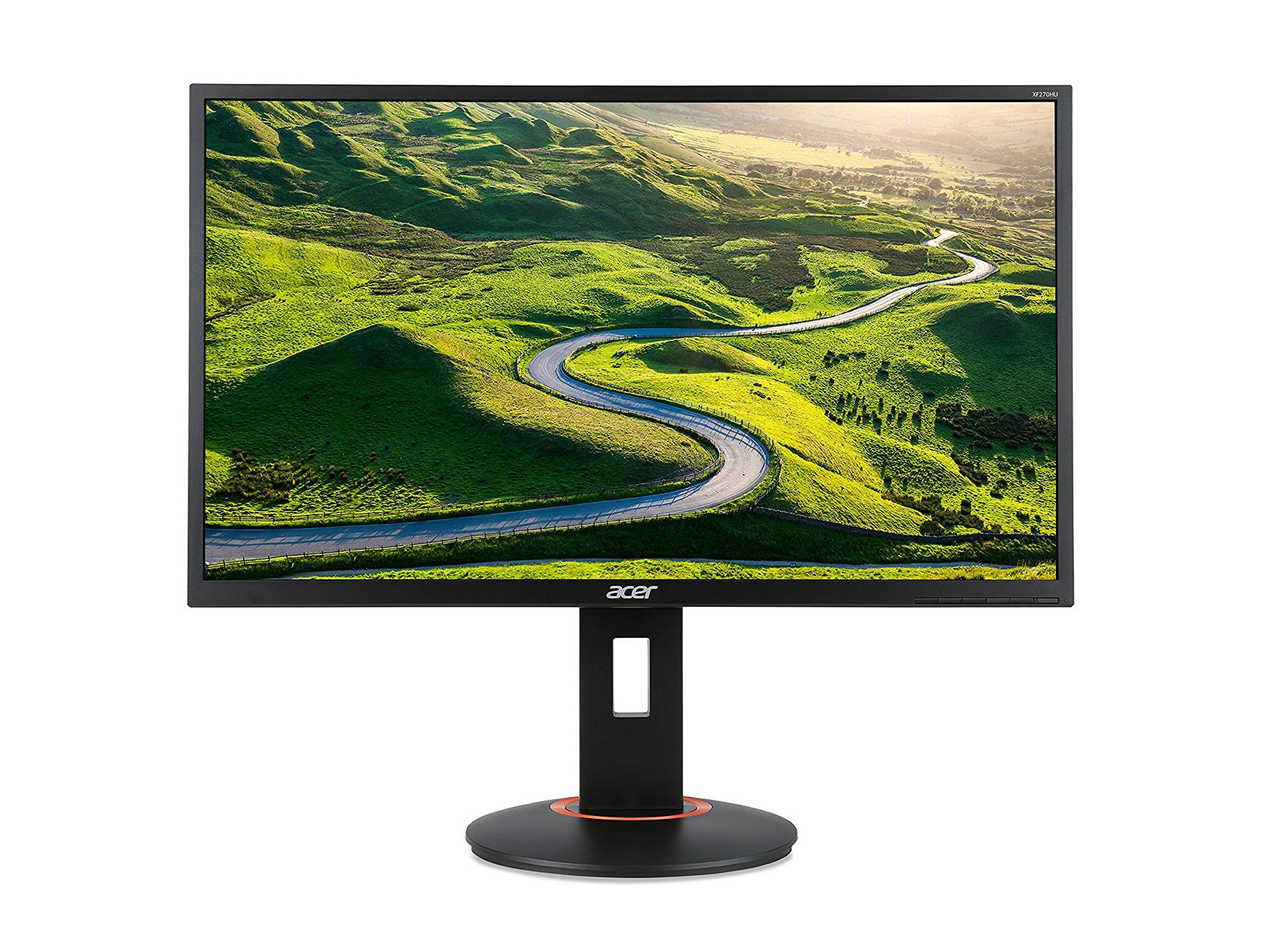
The 27in gaming monitor market is an odd one right now. There simply isn’t the range of affordable TN-based 1440p displays that you’d expect. As such, the low price of the Acer XF270HU makes it a fantastic buy. This monitor uses an IPS panel but it still has a 144Hz refresh rate that it combines with great overall image quality, Freesync, a versatile, height-adjustable stand and plenty of connectivity. Those that must have the one-millisecond response time of a TN panel should consider the AOC AGON AG271QX for around the same price.
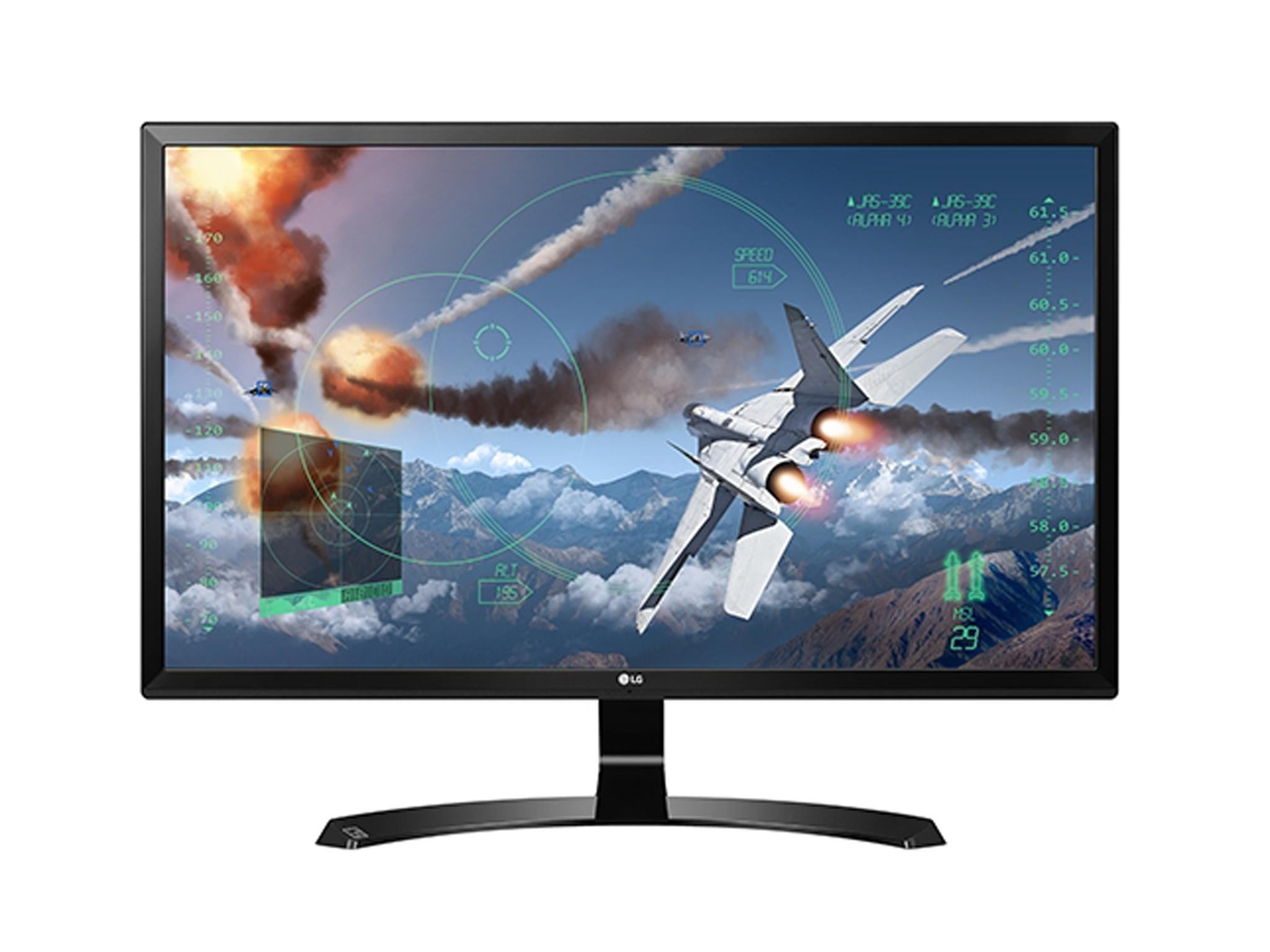
The LG 27UD58 is one of the cheapest 4K screens you can buy that uses IPS technology. You can get cheaper TN models but 4K and TN is a pointless mix. The low price means you miss out on any extras such as an adjustable stand, USB hub or speakers but if all you want is that massive 4K resolution then this is the place to start. It’s ideal for those that regularly edit pictures and video but can’t afford a professional-grade 4K display. It even has FreeSync too.
If you’re really looking to make an impression with your next monitor then a 34in, super-wide display is the way to go. The huge 3440 x 1440 pixel resolution makes it useful for work while the wide-screen aspect ratio is amazing for games and movies. This Acer BX340CK is one of the cheapest displays of this type that you can buy – cheaper ones tend to drop to a 2560 x 1080 resolution – and yet gives up little in terms of style, image quality or features. As well as a stylish height-adjustable stand, there’s a USB 3.0 hub, FreeSync and you can boost the refresh rate to 75Hz.
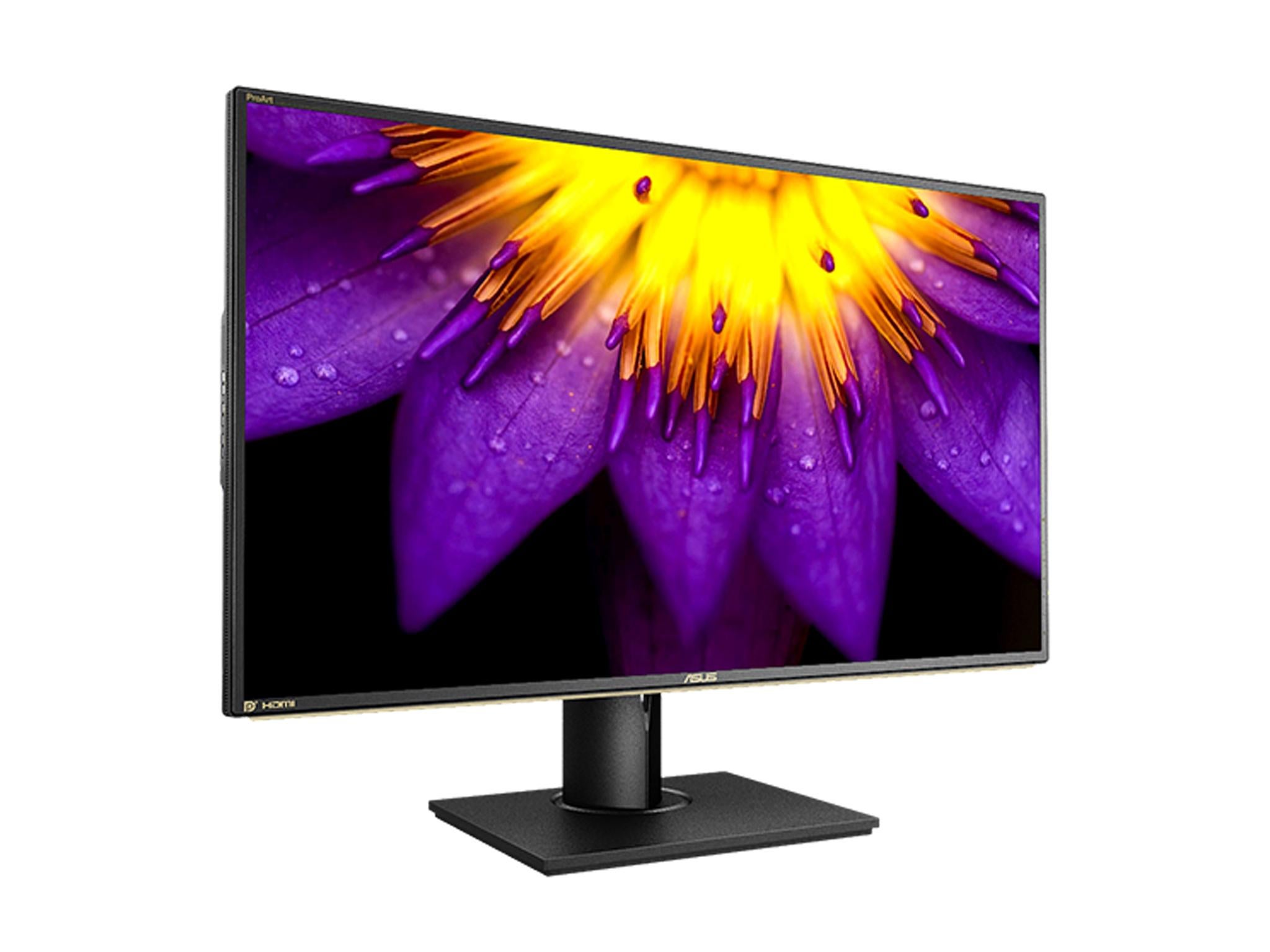
The Asus PG348Q is not only a 34in display with a 3440 x 1440 resolution but it’s also curved. This means the angle at which you view the farthest edge of the screen matches that at the middle, making for a more even-looking image. Plus, it fills your peripheral vision even more, adding to the sense of immersion. All this and the IPS panel produces fantastic image quality and can even refresh at up to 100Hz, for more responsive gaming. The final feather in its cap is the presence of G-Sync.
Professionals looking for the ultimate in image quality and resolution should seek out the Asus PA329Q. This massive 32in display has a 4K resolution making it ideal for seeing every detail of the pictures and video you’re working on. Plus, it boasts an enhanced colour range that means it can display even more colours than is typically required. This is of niche benefit for home users but means this monitor is good enough for the image editing of Hollywood films and professional magazines, and all that image quality prowess can still be applied to your day-to-day computing.
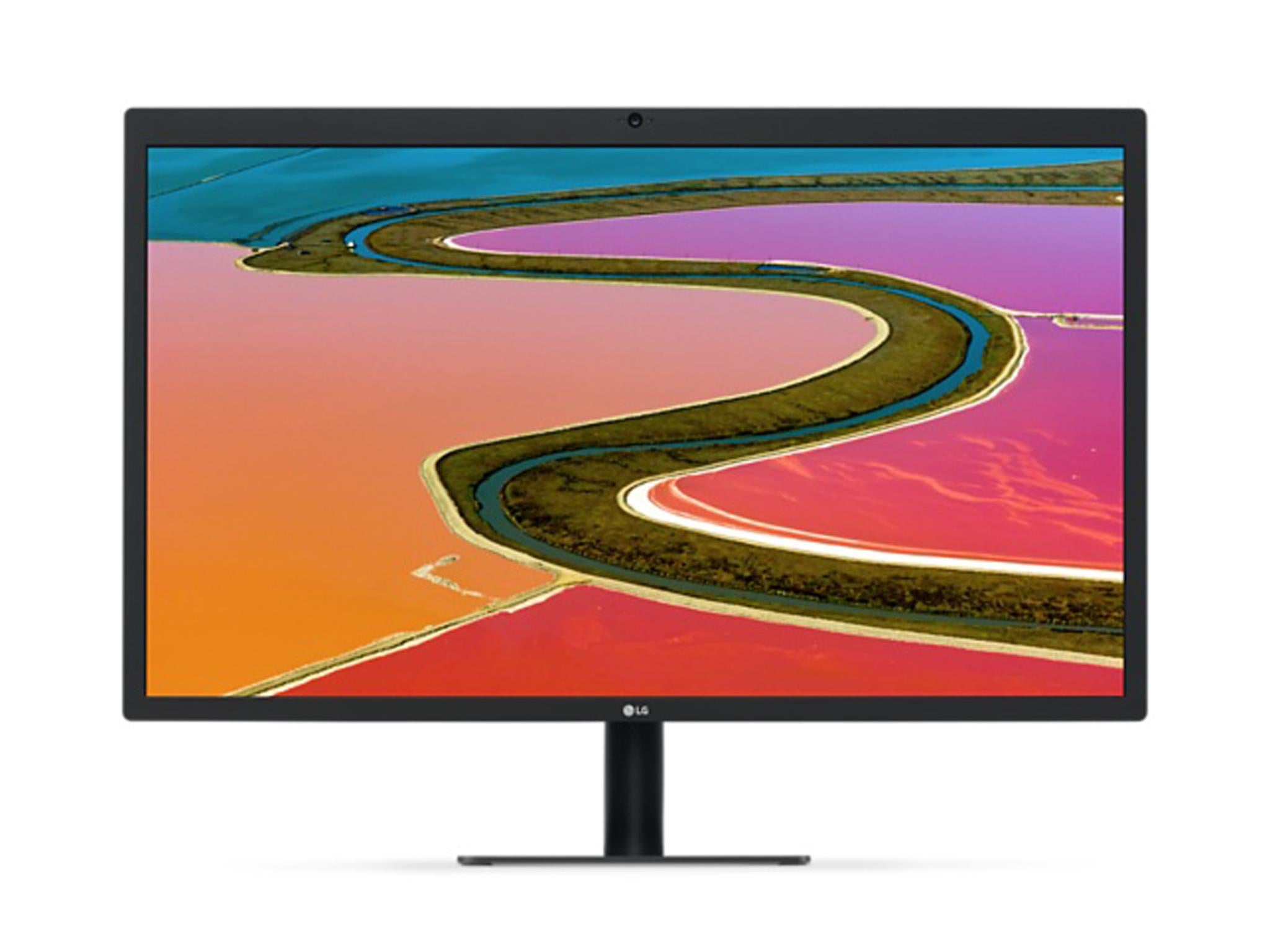
Apple stopped making its own displays last year and has instead recruited LG to produce two alternatives: a 27inch 5K display and a 21.5in 4K display. Both offer fantastic quality and an incredibly sharp image that is ideal for use with Macs – Apple’s computers are better at coping with really high-resolution displays. What’s more, both displays enable you to connect your Macbook to the monitor and charge it from the same Thunderbolt cable. They also offer further USB connections to connect your other devices. They’re both very expensive but ideal for Mac users.
Apple’s 5k and 4k displays are the natural choice for Mac users but not so much for PCs, and they’re pricey for what you get. Meanwhile the LG 23MP68VQ is a great budget option and the Acer XF270HU offers amazing value and versatility for those interested in gaming. However, the best all-rounder has to be the Dell U2717D. It’s the ultimate combination of style, image quality and practicality.
IndyBest product reviews are unbiased, independent advice you can trust. On some occasions, we earn revenue if you click the links and buy the products, but we never allow this to bias our coverage. The reviews are compiled through a mix of expert opinion and real-world testing.
Zeeshan Mir Baz has collected the information from this website:https://www.technologyreview.com/s/412880/the-best-computer-interfaces-past-present-and-future/ in this article said that: Say goodbye to the mouse and hello to augmented reality, voice recognition, and geospatial tracking. by Duncan Graham-Rowe April 6, 2009 Computer scientists from around the world will gather in Boston this week at Computer-Human Interaction 2009 to discuss the latest developments in computer interfaces. To coincide with the event, we present a roundup of the coolest computer interfaces past, present, and future. Multitouch screen: Microsoft’s Surface is an example of a multitouch screen. The Command Line The granddaddy of all computer interfaces is the command line, which surfaced as a more effective way to control computers in the 1950s. Previously, commands had to be fed into a computer in batches, usually via a punch card or paper tape....
If you’ve just upgraded to Windows 10, you’re probably wondering what to do next with Microsoft’s newest operating system. Here are 10 things you do before trying anything else. By Julian Prokaza Last updated: 15 August 2017, 16:41 BST Print this story With the Windows 10 upgrade out of the way, you’re no doubt itching to try out Microsoft’s latest operating system to see what’s new. But the question is, where to start? We suggest following this 10-point list of tasks once you see the new Windows 10 Desktop for the first time — it’ll help make sure everything is working as well as can be and familiarise you with the main new features. Check out our video by clicking play below to find out more. [Read more: 5 secret Windows 10 tricks you need to know about] Step 1: Run Windows Update If you followed our advice when installing Windows 10 , you’ve already checked for any last-minute updates prior to the installation, but it’s wo...
Zeeshan Mir Baz has collected the information from this website:https://www.rasmussen.edu/degrees/technology/blog/ways-computer-science-benefits-society/ in this article By Megan Ruesink on 12/7/2015 said that: When you think about your future career, you know one thing for certain: you want to help people. Nursing and teaching are often the obvious answers, but you’re looking to leverage your love of technology to make a difference. You’re aware of the exciting career opportunities in computer science , but you might be surprised to learn about the important roles computer scientists play in our society. While the impact may not be as obvious as that of a nurse or teacher, these tech pros are working hard behind the scenes to make a difference. If you want some concrete examples of just how much computer science benefits society, you came to the right place! Keep reading to learn how these professionals are positively impacting our world and helping ot...


Comments
Post a Comment