said that:
We’ve talked before about the things every computer user should know how to do, but we geeks are special: we want to go above and beyond, to explore every nook and cranny of our system and make everything easier. Here are ten ways to do just that.
10. Find New Uses for the Programs You Already Have
When your computer starts acting a little slow, a lot of people jump to their resource monitor to see what’s causing problems. However, just looking at a bunch of charts and graphs isn’t going to tell you what’s wrong unless you really know what you’re looking for. High CPU is a common problem with one app slowing your system down, and as soon as you close it, the issue should go away. High network activity could be the cause of slow internet or slow file transfers over the network. RAM usage, however, is where a lot of people get thrown off: high RAM usage isn’t inherently a bad thing. Know the difference between good and bad RAM usage before you start blaming processes. If you want to keep an eye on your resources, check out our favorite system monitors for Windows, Mac, and Linux, too.
5. Learn to Crack Passwords (So You Can Protect Yourself)
Everyone should know how to create a secure password, but responsible geeks can take it a step further by learning how to break into a comptuer. This skill—whether used on a Windows machineor a Mac—can really help you understand how computer thieves and hackers will try to get at your data. Learning the process means you know how to protect yourself against the process—not just with strong passwords but with encryption and other settings tweaks that keep thieves out. Similarly, you may also want to learn how to crack a Wi-Fi network’s WEPand WPA password.
When all is said and done, this is probably way more than 10 tricks, but if you don’t know any of the above, they should keep you busy for awhile. If you have an idea we didn’t list, be sure to mention it in the comments below.
Lifehacker’s Top 10 gathers our best guides, explainers, and other posts on a certain subject so you can tackle big projects with ease. For more, check out our Top 10 tagpage.
Zeeshan Mir Baz has collected the information from this website:https://www.technologyreview.com/s/412880/the-best-computer-interfaces-past-present-and-future/ in this article said that: Say goodbye to the mouse and hello to augmented reality, voice recognition, and geospatial tracking. by Duncan Graham-Rowe April 6, 2009 Computer scientists from around the world will gather in Boston this week at Computer-Human Interaction 2009 to discuss the latest developments in computer interfaces. To coincide with the event, we present a roundup of the coolest computer interfaces past, present, and future. Multitouch screen: Microsoft’s Surface is an example of a multitouch screen. The Command Line The granddaddy of all computer interfaces is the command line, which surfaced as a more effective way to control computers in the 1950s. Previously, commands had to be fed into a computer in batches, usually via a punch card or paper tape....
If you’ve just upgraded to Windows 10, you’re probably wondering what to do next with Microsoft’s newest operating system. Here are 10 things you do before trying anything else. By Julian Prokaza Last updated: 15 August 2017, 16:41 BST Print this story With the Windows 10 upgrade out of the way, you’re no doubt itching to try out Microsoft’s latest operating system to see what’s new. But the question is, where to start? We suggest following this 10-point list of tasks once you see the new Windows 10 Desktop for the first time — it’ll help make sure everything is working as well as can be and familiarise you with the main new features. Check out our video by clicking play below to find out more. [Read more: 5 secret Windows 10 tricks you need to know about] Step 1: Run Windows Update If you followed our advice when installing Windows 10 , you’ve already checked for any last-minute updates prior to the installation, but it’s wo...
Zeeshan Mir Baz has collected the information from this website:https://www.rasmussen.edu/degrees/technology/blog/ways-computer-science-benefits-society/ in this article By Megan Ruesink on 12/7/2015 said that: When you think about your future career, you know one thing for certain: you want to help people. Nursing and teaching are often the obvious answers, but you’re looking to leverage your love of technology to make a difference. You’re aware of the exciting career opportunities in computer science , but you might be surprised to learn about the important roles computer scientists play in our society. While the impact may not be as obvious as that of a nurse or teacher, these tech pros are working hard behind the scenes to make a difference. If you want some concrete examples of just how much computer science benefits society, you came to the right place! Keep reading to learn how these professionals are positively impacting our world and helping ot...
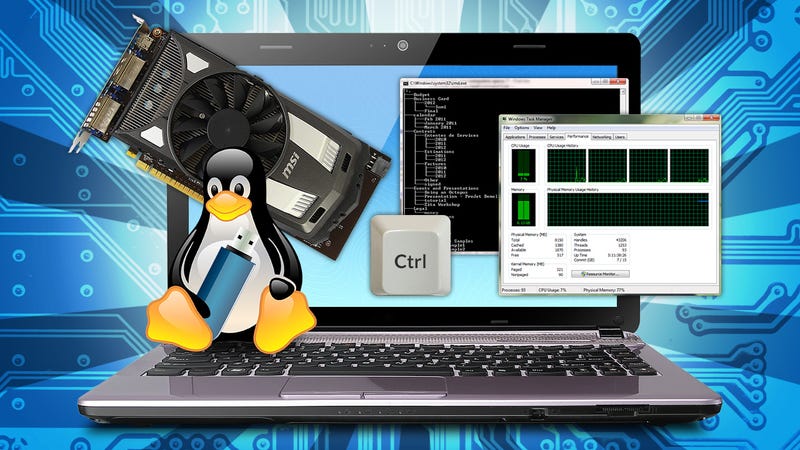
 Chances are, you’ve probably already found a few awesome tools and added them to your productivity arsenal, but most programs can be used for more than just their inteded purpose. Cloud storage tools like Dropbox, for example, are also great for monitoring your home computer, printing files from afar, and even downloading stuff with BitTorrent. Savvy folks can use Gmail to store files in the cloud or find out if someone’s stolen your laptop. Any tool can become multipurpose if you know its ins and outs.


Comments
Post a Comment